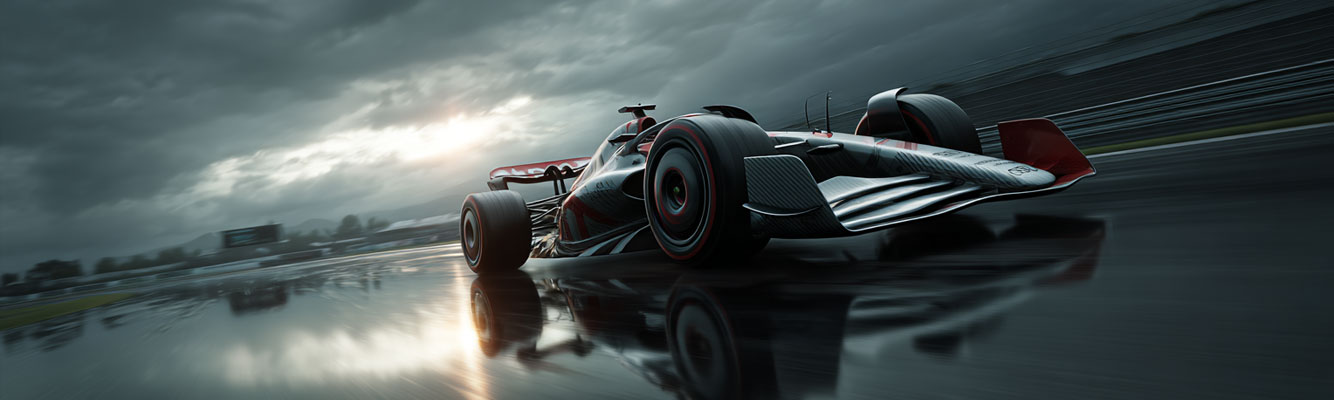
The new F1 season is underway and with it brings the biggest upheaval of the rule book for a while and offers opportunities for the established teams and a few new faces.
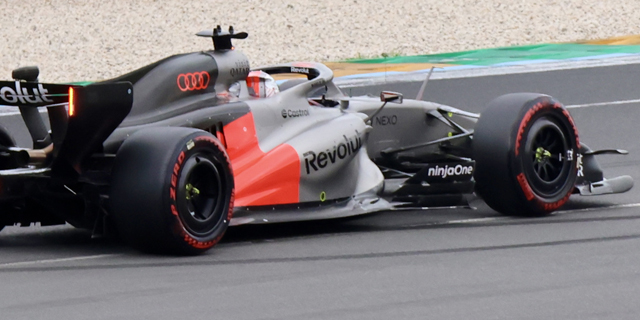
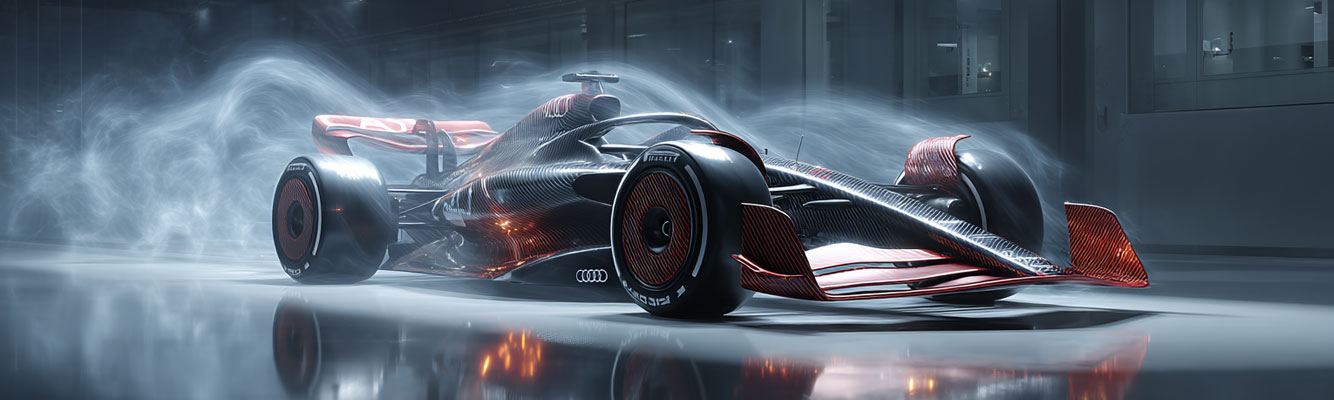
One of these new teams is the Audi F1 Team. Audi has never competed in Formula 1, so why now? What has made the 2026 so tempting that Audi feels now is the time to enter what many consider to be the pinnacle of motorsport?
New F1 technology - New future
The principal reason is 2026 has seen a shift in the technological focus in F1 which now fundamentally aligns with Audi’s road car strategy. In participating in the 2026 season, Audi will be looking to use the glamour of F1 to boost their reputation as well as using the F1 team to increase their research and development in new technologies which can then be used in their road cars.
TThe main technology changes that Formula 1 has introduced is a move to emphasise electric power and sustainable fuels by making the modern F1 car the most powerful hybrid systems in motor sport. These new power units are still hybrid V6s, the same as the 2025 season, but now with a much larger electrical component. The rules now require a 50/50 electric and combustion engine as opposed to a 80% combustion and 20% eclectic split in 2025. This combined with the requirement to use 100% sustainable fuels is designed to move F1 into a more sustainable and manageable future.
Another important factor is the attempt by F1 to make the sport more accessible by reducing how much it costs a team to compete. In order to achieve this, they have introduced budget caps covering power unit costs and team costs. The team budget is about $135 million per year, from which the team must include the design and build of the car, the manufacturing costs, the factory staffing and all trackside and garage logistics. There is a little wiggle room as driver salaries and the three main team staff members, most typically including the chief design and team principle, are exempt. Also, any marketing and sponsorship costs are not included allowing the F1 teams to maximise their incomings.
The power unit caps will be about $130 million, from which the teams must demonstrate all their research and development, their manufacturing costs, including all units to be used during the season and any additional developments of their hybrid systems undertaken during the year.
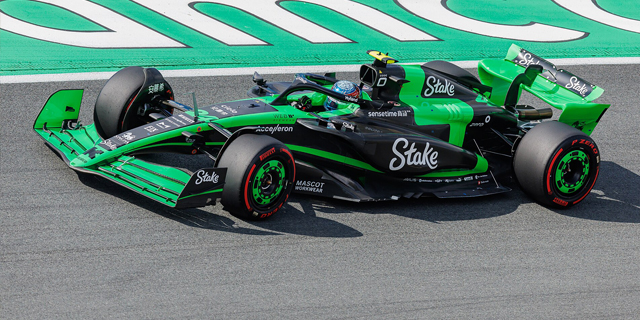
Audi have also been able to take over an existing F1 in order to keep costs down. This has not been a sudden move, with Audi first taking a minority 25% stake in Sauber in 2023 with the intention of increasing that to a majority stake of 75% for the 2026 season. However, the current leadership team of Sauber offered the entire team for $600 million in 2025 giving Audi 100% ownership. For their $600 million, Audi has an established engineering infrastructure and experienced team, meaning they can get up to speed as soon as possible. They also now have the factory based in Zurich which has an advanced wind tunnel and all the required facilities. They also are able to take over the existing Sauber F1 entry giving them a guaranteed place on the starting grid without having to apply to the F1 governing body for approval.
There are also the Netflix and Apple factors. F1’s global popularity is booming with the huge success of the Netflix series, Drive to Survive, a behind-the-scenes documentary series which gives fans never seen before access to race preparations and all the drama of race day itself. The series focuses heavily on the personalities within Formula 1 as well as the racing itself, which has found a new audience in those who otherwise would not be interested in watching a race. The Apple TV hit film, F1, has also brought a new audience, especially from the US, who now want to know more about F1 and are becoming invested in the teams.
Joining Audi as a new team on the grid is Cadillac. Unlike Audi, the Cadillac F1 team is being built from scratch meaning they don’t expect to be competing for a while as they develop their own power units (they will use Ferrari engines in 2026). Audi on the other hand can concentrate on developing the team around their own 1.6 litre V6, Audi designed power units giving them a significant advantage over the other new team. Audi hopes to be challenging at the front of the grid and gaining podium finishes by 2028.